
Zierick connectors
Solderless SMT connectors

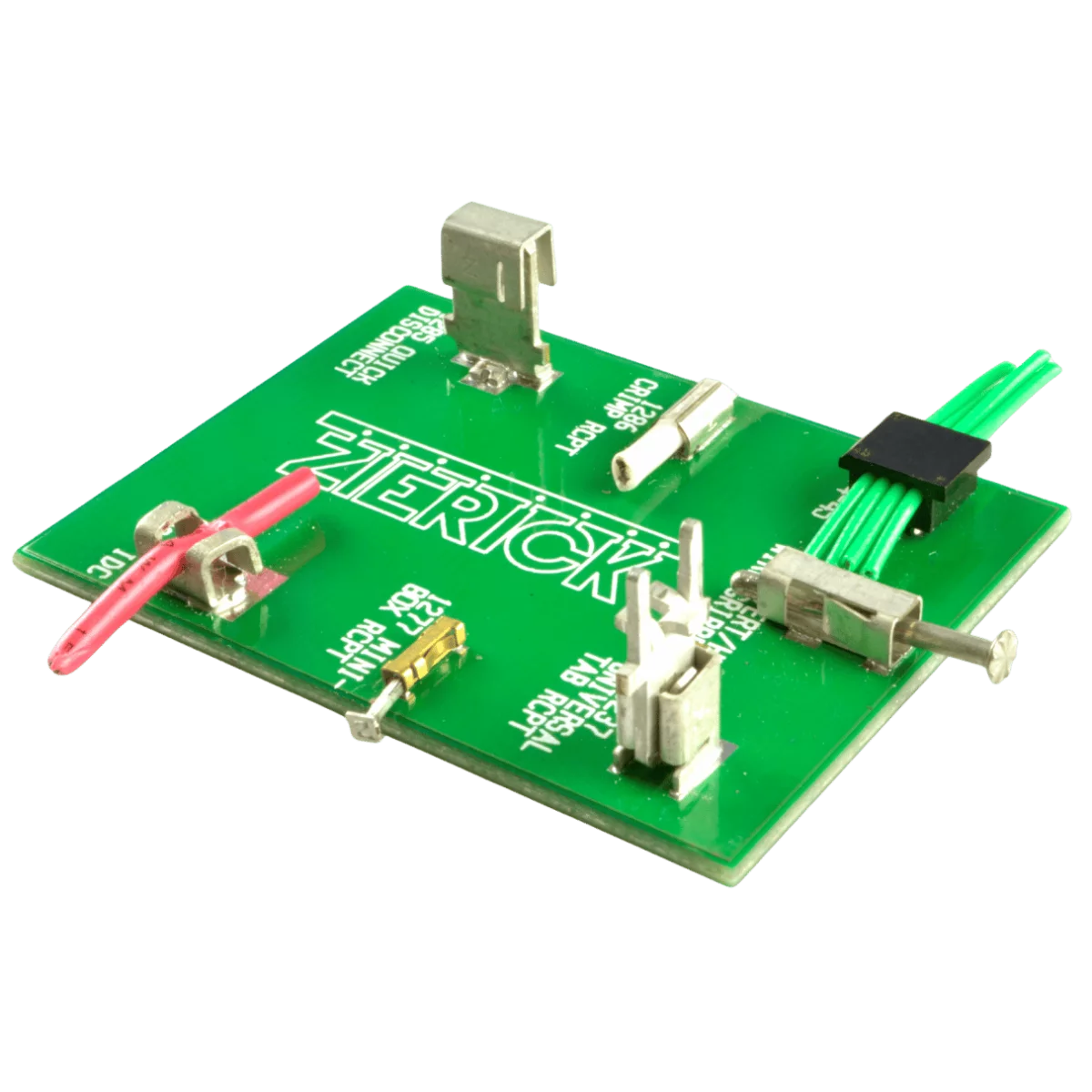
Replace labour-Intensive soldering with automated SMT connections
With its innovative Insulation Piercing Terminals (IPT), Zierick offers an efficient and highly reliable solution for connecting wires directly to a PCB through an automated assembly process. This advanced surface mount technology (SMT) combines the benefits of crimping, insulation piercing, and SMT assembly into a single connector solution, eliminating the need for traditional labour-intensive soldering.
Faster Production, Lower Costs
The result is a faster and more efficient manufacturing process, improved connection reliability, consistent product quality, and significantly lower assembly and production costs. Designed for automated production lines, Zierick's SMT connector solutions are ideal for medium- and high-volume manufacturing.
Proven in Demanding Applications
Across Europe, Insulation Piercing Terminals are widely used in LED lighting, consumer electronics, industrial control, and other electronic applications where speed, quality, and reliability are critical. The terminals are also UL certified, ensuring compliance with the requirements for end products destined for the North American market.
This is where Zierick makes the difference
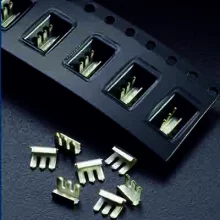
Optimised for automated assembly
Designed for automated SMT production lines, Zierick connectors improve manufacturing efficiency, reduce assembly costs, and ensure consistent product quality.
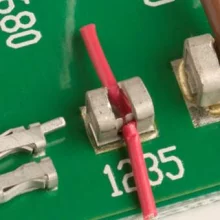
Solderless SMT Technology
Zierick's innovative surface mount IDC terminals eliminate the need for traditional soldering, reducing assembly time while improving connection reliability.
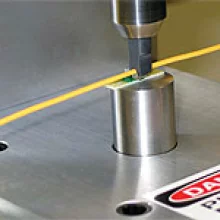
Reliable PCB connections
Zierick's precision-engineered contact technology delivers durable, vibration-resistant connections between wires and printed circuit boards.
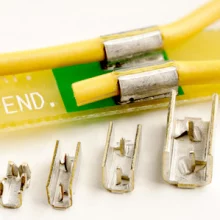
Compact, space-saving design
Compact connector designs maximise PCB space while maintaining high electrical and mechanical performance.
How Zierick's Coaxial Cable Piercing Technology Works
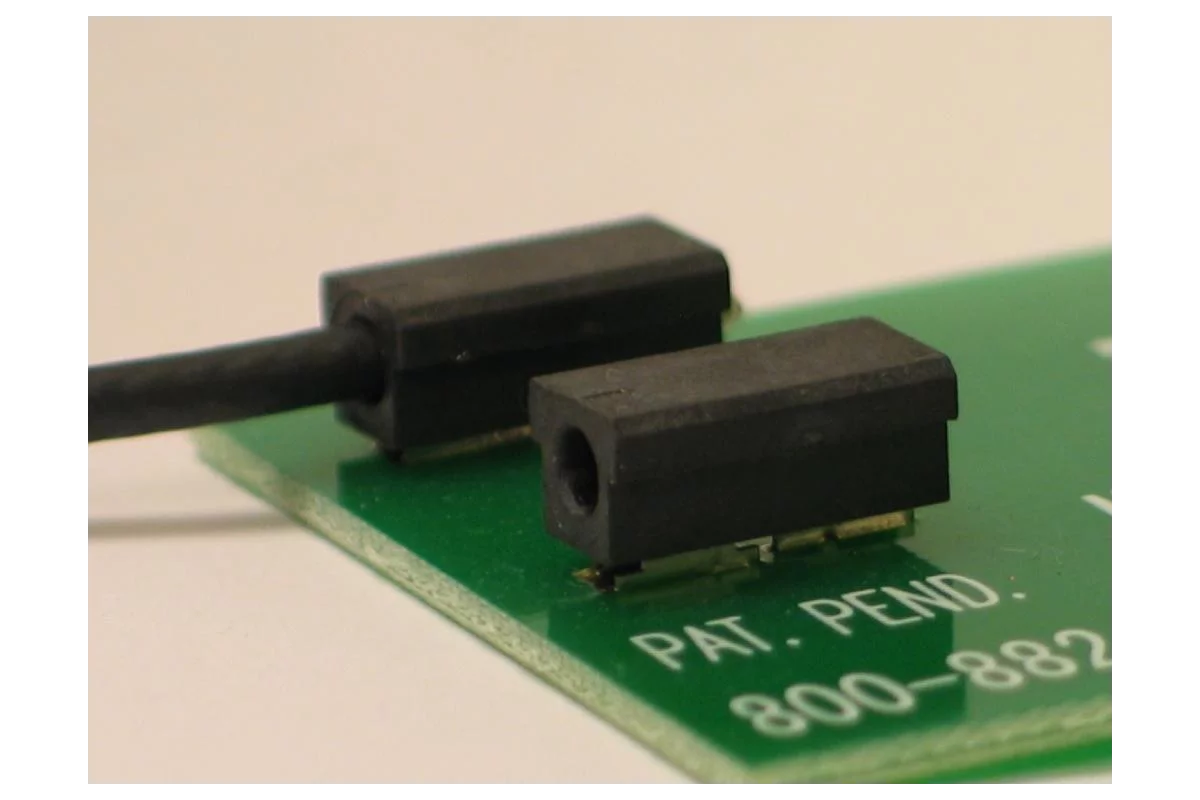

First, the Insulation Piercing Connectors (IPC) are mounted onto the PCB. The cable is then prepared by removing the outer jacket and stripping approximately 6.35 mm of the shielding. Both operations are completed in a single process, helping to reduce assembly time.
The connector features three precision-engineered piercing blades that simultaneously penetrate the outer jacket and dielectric at two different locations. By applying controlled pressure to the top of the connector housing, the blades pierce the insulation and create a secure, reliable electrical connection—without the need for soldering.
Assembly can be carried out using either a hand tool or a compact press. The piercing blades maintain consistent pressure on every wire, ensuring uniform connections, high reliability, and consistent product quality throughout the production process.
Explore our other brands